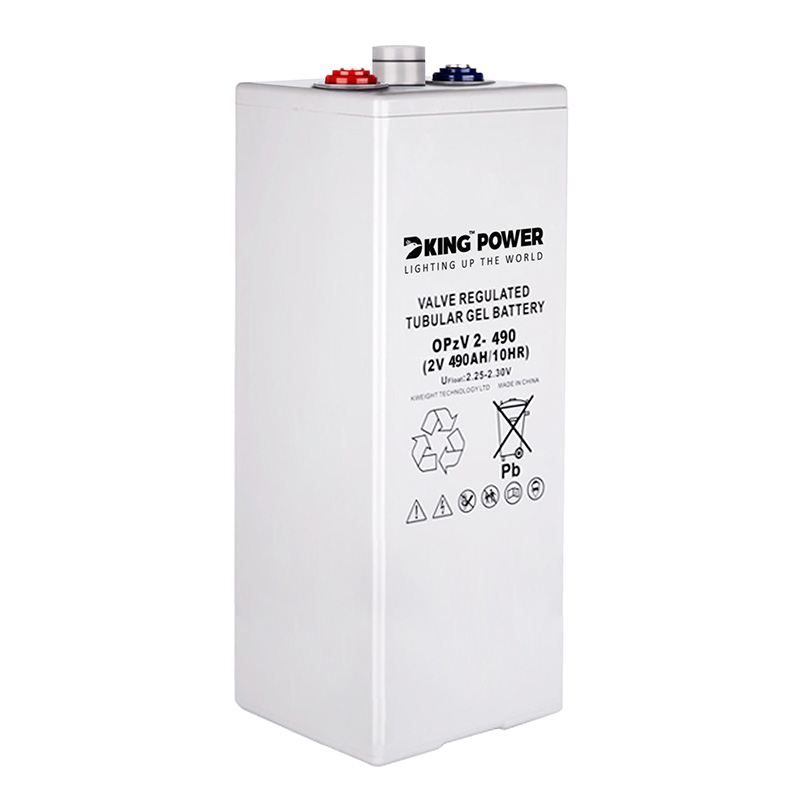
**China’s Lead Acid Battery Manufacturing Industry Shows Strong Growth Amid Rising Demand**The lead acid battery manufacturing sector in China has been experiencing robust growth, driven by increasing demand from various industries including automotive, renewable energy, and telecommunications. As one of the largest producers globally, China’s manufacturers continue to innovate and expand their production capacities, catering to both domestic needs and international markets.Lead acid batteries remain critical energy storage solutions due to their cost-effectiveness, reliability, and established recycling infrastructure. Despite the rising popularity of lithium-ion batteries, lead acid technology still holds a significant share in numerous applications such as starter batteries for vehicles, backup power supplies, and renewable energy storage systems.**Industry Overview**China’s lead acid battery manufacturers benefit from abundant raw materials, well-established supply chains, and government support promoting energy storage solutions. The industry has been instrumental in supporting China’s rapidly growing electric vehicle (EV) market, where lead acid batteries are frequently utilized in electric bicycles, motorcycles, and low-speed EVs. Additionally, the renewable energy sector increasingly relies on lead acid batteries for off-grid and backup power applications.Significant advancements have been made in improving battery performance, extending lifespan, and enhancing environmental safety standards. These improvements align with global sustainability trends and stricter environmental regulations, prompting manufacturers to adopt cleaner production technologies and invest in recycling facilities.**Company Introduction**One key player in this market has a comprehensive approach to producing high-quality lead acid batteries. This company boasts an integrated production process encompassing raw material processing, battery assembly, and rigorous quality control measures. It leverages advanced manufacturing techniques and a skilled workforce to ensure consistent product performance.The company’s product portfolio covers a broad range of batteries tailored for automotive, industrial, and solar energy applications. Its R&D teams focus on battery innovation, including enhancing energy density and optimizing charge-discharge efficiency. Moreover, the firm actively engages in sustainability initiatives by recycling used batteries and minimizing hazardous waste throughout its operations.Operating with a customer-centric philosophy, the company places great emphasis on after-sales service and technical support. This commitment has earned it a strong reputation in both domestic and international markets, helping to solidify its position as an industry leader.**Market Trends and Future Outlook**As China accelerates its transition to clean energy and electric mobility, the lead acid battery industry is poised for continued growth. Urbanization and infrastructure development further fuel the demand for reliable energy storage systems, especially in remote and rural regions.Technological improvements, such as absorbent glass mat (AGM) and gel battery designs, enhance safety and durability, opening new market segments. Furthermore, integration with renewable energy setups increases the strategic importance of lead acid batteries, offering cost-efficient solutions for energy storage challenges.However, competition from emerging battery technologies requires manufacturers to continuously innovate and adapt. To maintain competitiveness, companies in China’s lead acid battery sector are investing aggressively in research, product diversification, and environmental compliance.**Conclusion**China’s lead acid battery manufacturing industry remains a vital component of the country’s energy landscape. Backed by strong industrial capabilities, technological advancements, and sustainable practices, it is well-positioned to meet evolving market demands. This dynamic sector is expected to play a significant role in supporting China’s energy transition and economic growth in the years to come.
Read More